

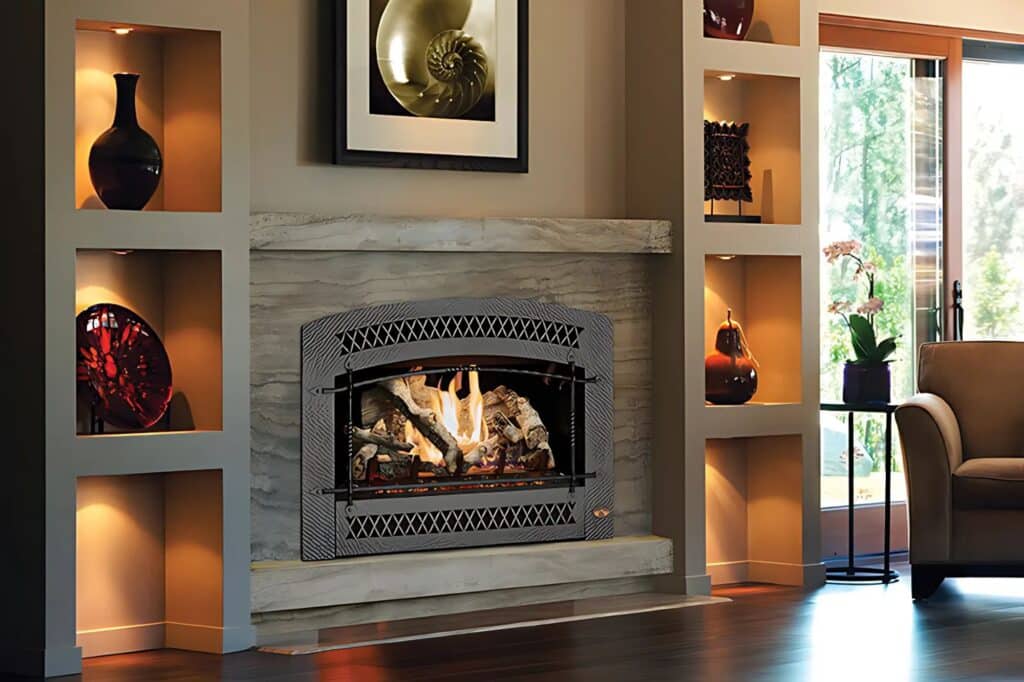
A fireplace is more than a heat source—it’s a centerpiece that influences the comfort, style, and atmosphere of your home. Whether you’re renovating, building new, or simply upgrading an existing system, choosing the right hearth can feel overwhelming. Wood, gas, and electric fireplaces each offer unique benefits, and the best choice depends on your lifestyle, heating needs, and the overall look you want to achieve. Understanding the features of each type will help you make a decision that enhances both your home’s aesthetic and your everyday living experience.
Wood Fireplaces: Timeless Warmth and Authenticity
Wood-burning fireplaces offer an unmatched sense of tradition and ambiance. The crackling logs, natural scent, and dynamic flames create an experience many homeowners consider irreplaceable. Wood fireplaces are especially appealing for those who love a rustic, cozy atmosphere or live in areas where firewood is affordable and easy to access. They also provide a significant amount of heat, especially with modern high-efficiency inserts. However, wood fireplaces require maintenance, including regular chimney cleaning, ash removal, and safe wood storage. They’re also subject to local emissions regulations, which may affect whether you can install or use one. For homeowners who value authenticity and don’t mind the upkeep, wood remains a classic and beloved option.
The Practicality and Convenience of Gas Fireplaces
Gas fireplaces have become one of the most popular choices due to their convenience and efficiency. With just the push of a button—or even a remote—you can enjoy instant flames without the mess of wood or the need for constant tending. Gas units burn cleanly and efficiently, providing steady heat output with minimal emissions. They’re also easy to integrate into almost any style of home, from modern to traditional. Many gas fireplaces feature adjustable flame settings, blower systems, and realistic log sets that mimic the look of a wood-burning fire. The main considerations are the installation cost and the need for a gas line, which may not be feasible in every home. Still, for most homeowners seeking a low-maintenance yet attractive hearth, gas is an excellent middle ground between realism and convenience.
Electric Fireplaces: Flexible, Safe, and Modern
Electric fireplaces offer the greatest flexibility when it comes to installation and placement. Because they don’t require venting, chimneys, or gas lines, they can be installed almost anywhere—bedrooms, apartments, offices, or even interior walls. Their flames, while simulated, have become increasingly realistic thanks to modern LED technology. Electric fireplaces are also energy-efficient and incredibly safe, making them a great choice for families with small children or pets. They produce steady supplemental heat and can operate with or without the heating element, allowing you to enjoy the glow of a fire year-round. While they don’t provide the same level of realism or heat as wood or gas units, their ease of use and versatility make them a strong choice for many households.
Comparing Heating Performance
Each type of fireplace offers different heating capabilities. Wood-burning models can generate significant warmth, especially when using a closed combustion insert that holds heat for long periods. Gas units provide consistent, controllable heat, and many models are designed to operate even during power outages. Electric fireplaces, while not intended to heat large areas, are effective as supplemental heat sources in smaller rooms. When choosing a hearth, consider the size of the space you want to warm, your climate, and whether you want your fireplace to function as a primary or secondary heat source.
Environmental Considerations
Environmental impact is an important factor for many homeowners. Wood-burning fireplaces produce the most emissions, though EPA-certified wood stoves and inserts have improved efficiency significantly. Gas fireplaces burn cleaner and release fewer particulates into the air. Electric fireplaces, while producing no onsite emissions, rely on your home’s electricity supply, which may or may not come from renewable sources depending on your location. If sustainability is a priority, look into the efficiency ratings and environmental standards associated with each type to choose the most eco-friendly option for your home.
Aesthetic and Design Flexibility
The style of your fireplace can dramatically affect the look and feel of your living space. Wood fireplaces offer a traditional charm that works beautifully in rustic, classic, or cabin-style homes. Gas fireplaces come in a wide range of designs, from traditional log sets to sleek, linear models perfect for contemporary spaces. Electric fireplaces provide even more design flexibility—they can be wall-mounted, built into media centers, or incorporated into custom cabinetry. Think about how the fireplace will fit with your existing décor, room layout, and the atmosphere you want to create.
Cost Considerations
Budget plays a significant role in choosing the right hearth. Wood fireplaces can be affordable if you already have a chimney, but installation and ongoing maintenance can add up. Gas fireplaces typically have higher upfront installation costs, particularly if a gas line must be added, but they require less maintenance over time. Electric fireplaces are usually the most affordable option both upfront and long-term, with minimal operating costs and virtually no maintenance needs.
Choosing the Hearth That Fits Your Life
Ultimately, the right fireplace depends on your personal preferences, routines, and the way you envision using the space. If you want the classic experience of a real fire and don’t mind the upkeep, a wood-burning fireplace may be ideal. If you value convenience and efficient heating, gas could be the best fit. If flexibility, low cost, and safety are your priorities, electric may be the perfect match. By understanding the strengths of each type, you can choose a hearth that enhances your home’s comfort, style, and functionality for years to come.