

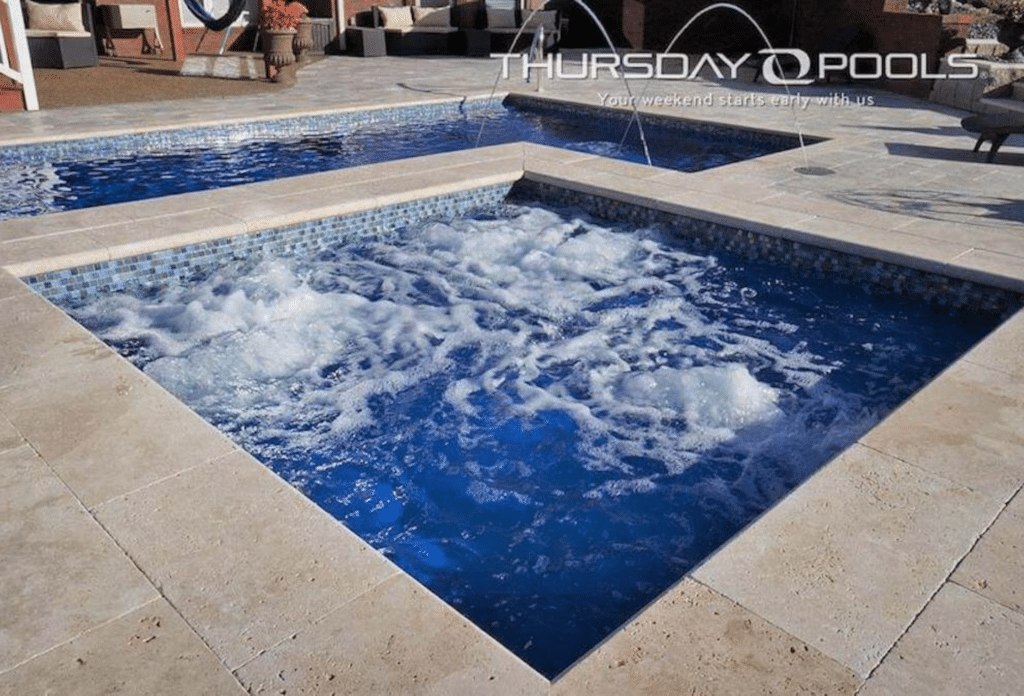
Keeping a pool or spa comfortable year-round can be expensive if energy use isn’t managed carefully. Heating, filtration, lighting, and circulation systems all contribute to ongoing utility costs. Fortunately, there are many practical upgrades and habits that can significantly reduce energy consumption without sacrificing comfort or enjoyment. By making a few strategic changes, homeowners can enjoy warm water, clean circulation, and a relaxing pool and spa experience while keeping operating costs under control.
Upgrade to Energy-Efficient Pumps and Motors
One of the most effective ways to reduce energy usage in a pool and spa is by switching to a variable-speed pump. Unlike traditional single-speed pumps that run at full power all the time, variable-speed models allow you to adjust flow rates based on the task at hand. Lower speeds consume far less electricity while still maintaining proper circulation and filtration. Over time, this upgrade can cut pump-related energy costs dramatically. Many homeowners find that the savings offset the initial investment within a few seasons.
Use a Pool or Spa Cover Consistently
A high-quality cover is one of the simplest yet most powerful tools for improving energy efficiency. Covers help retain heat, reduce evaporation, and keep debris out of the water. Since evaporation is a major source of heat loss, covering your pool and spa when it is not in use can significantly reduce heating demands. For spas in particular, a well-insulated cover helps maintain warm temperatures overnight without requiring constant reheating, which leads to noticeable energy savings.
Optimize Water Heating Systems
Heating typically accounts for a large portion of pool and spa energy consumption. Upgrading to an energy-efficient heat pump or solar heating system can make a major difference. Heat pumps work by transferring ambient heat from the air into the water, using far less electricity than traditional gas heaters. Solar heaters, on the other hand, use renewable energy from the sun to maintain comfortable temperatures. Even improving your existing heater’s settings and using a thermostat can help avoid unnecessary energy waste.
Improve Filtration and Circulation Efficiency
Proper water circulation is essential for maintaining cleanliness, but it doesn’t have to run at high speeds all day. Running your filtration system during off-peak hours or reducing daily runtime can lower energy use without affecting water quality. Many modern systems include programmable timers that help optimize circulation schedules. Additionally, keeping filters clean ensures that pumps don’t have to work harder than necessary, which reduces strain and energy consumption.
Switch to LED Lighting Systems
Lighting may seem like a small factor, but older pool and spa lighting systems can consume more energy than expected. Replacing incandescent or halogen bulbs with LED lighting is an easy upgrade that provides immediate savings. LED lights use significantly less electricity and last much longer, reducing both energy and maintenance costs. They also offer customizable color options, enhancing ambiance without increasing power usage.
Maintain Proper Water Chemistry
Balanced water chemistry doesn’t just keep your pool and spa safe—it also improves system efficiency. When water is properly balanced, equipment like heaters, pumps, and filters operate more smoothly and require less energy to function. Poor water chemistry can lead to scale buildup or corrosion, which forces systems to work harder and consume more energy. Regular testing and adjustments help maintain optimal performance and efficiency across all components.
Install a Solar Blanket or Heating System
Solar blankets are an affordable way to capture and retain heat from the sun. They float on the surface of the water and reduce heat loss caused by evaporation. For homeowners looking for a more advanced solution, full solar heating systems can be installed to actively warm water using renewable energy. While initial installation costs vary, these systems can drastically reduce long-term heating expenses and environmental impact.
Seal and Insulate Equipment Areas
Energy efficiency isn’t just about the pool and spa itself—it also involves the surrounding equipment. Pumps, heaters, and filtration systems should be housed in well-insulated, protected areas to reduce heat loss and improve performance. Proper insulation helps maintain consistent operating temperatures, especially in colder climates, which reduces the amount of energy needed to maintain system efficiency.
Schedule Regular Maintenance
Routine maintenance plays a major role in energy efficiency. Dirty filters, clogged pipes, or worn-out parts force equipment to work harder than necessary. Regular inspections help identify small issues before they become major problems that increase energy consumption. Keeping everything clean and in good working condition ensures that your pool and spa systems operate at peak efficiency throughout the year.
Use Smart Pool Automation Systems
Smart pool technology allows homeowners to monitor and control energy usage more effectively. Automated systems can regulate pump speeds, heating schedules, and lighting based on real-time conditions or preset preferences. Some systems even adjust operations based on weather forecasts, ensuring that energy is only used when needed. This level of control makes it easier to reduce waste while maintaining a comfortable and enjoyable pool or spa environment.
Making your pool and spa more energy-efficient doesn’t require a complete overhaul. Instead, a combination of equipment upgrades, smart usage habits, and consistent maintenance can lead to substantial savings. By taking a proactive approach, homeowners can enjoy a comfortable, well-maintained pool or spa while minimizing both environmental impact and monthly energy costs.