

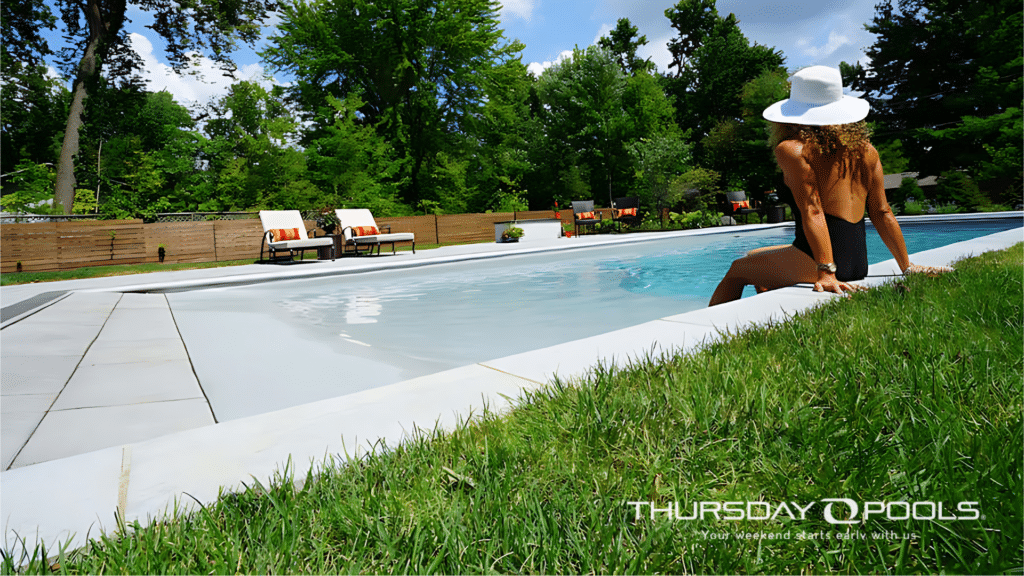
Adding a pool, spa, or outdoor hearth can significantly enhance the beauty, functionality, and value of a property. These features create inviting spaces for relaxation, entertainment, and year-round enjoyment. However, before beginning any installation project, homeowners must understand the local regulations that govern these structures. Building codes, zoning requirements, permit processes, and safety standards vary by municipality and are designed to protect property owners, neighbors, and the community. Understanding these regulations before construction begins can help avoid costly delays, fines, and future compliance issues.
Why Local Regulations Matter
Local regulations exist to ensure that pools, spas, and hearths are constructed and operated safely. These rules help minimize risks such as fire hazards, electrical issues, drainage problems, and accidental injuries. Compliance with local codes also protects property values by ensuring that outdoor features are built to established standards. Ignoring regulations can lead to project interruptions, required modifications, or even removal of non-compliant structures. Taking the time to understand local requirements before construction begins helps ensure a smoother and more successful project.
Understanding Permit Requirements
Many municipalities require permits before installing a pool, spa, or outdoor hearth. Permit applications typically involve submitting construction plans, site layouts, and project specifications for review. The permitting process allows local authorities to verify that the proposed installation meets applicable safety and building standards. Depending on the scope of the project, multiple permits may be necessary, including building, electrical, plumbing, or gas permits. Securing the proper permits before work begins helps avoid legal complications and ensures the project complies with local regulations.
Zoning and Property Setback Rules
Zoning ordinances often dictate where pools, spas, and hearths can be located on a property. Setback requirements establish minimum distances between structures and property lines, neighboring homes, easements, or utility areas. These rules help maintain privacy, ensure access for maintenance, and reduce safety concerns. Homeowners should carefully review local zoning regulations before finalizing project designs. Understanding setback requirements early in the planning process can prevent costly redesigns and ensure that the installation meets local guidelines.
Pool Safety Barrier Regulations
One of the most common requirements for residential pools is the installation of safety barriers. Fencing regulations are designed to prevent unauthorized access, particularly by young children. Local codes often specify minimum fence heights, gate designs, latch requirements, and self-closing mechanisms. Some jurisdictions may also require pool alarms, safety covers, or additional protective measures. Compliance with these safety regulations is essential not only for legal reasons but also for protecting family members and visitors from potential accidents.
Electrical and Plumbing Code Compliance
Pools and spas involve complex electrical and plumbing systems that must meet strict safety standards. Electrical regulations often address grounding, bonding, wiring methods, and the placement of outlets and equipment. Plumbing requirements may govern water supply connections, drainage systems, and backflow prevention measures. Because improper installation can create significant safety hazards, inspections are typically required during and after construction. Hiring qualified professionals familiar with local codes helps ensure that all systems are installed correctly and safely.
Regulations for Outdoor Spas and Hot Tubs
Although spas and hot tubs are often smaller than swimming pools, they are still subject to many local regulations. Requirements may include permits, electrical inspections, safety covers, and setback restrictions. Some municipalities classify portable and permanent spas differently, resulting in varying code requirements. Homeowners should verify how local regulations apply to their specific spa type before purchasing or installing equipment. Understanding these distinctions helps avoid compliance issues and ensures a safe installation.
Fire and Safety Requirements for Hearths
Outdoor hearths, fireplaces, and fire pits add warmth and ambiance to outdoor living spaces, but they must be installed with fire safety in mind. Local regulations often specify minimum clearances from structures, combustible materials, fences, and vegetation. Some areas may limit fuel types or require spark arrestors and protective screens. In regions prone to drought or wildfires, additional restrictions may apply. Following local fire codes helps reduce fire risks and ensures safe enjoyment of outdoor hearth features.
Environmental and Drainage Considerations
Many municipalities have regulations related to environmental protection and water management. Pool drainage, stormwater runoff, and grading modifications may all be subject to review. Improper drainage can affect neighboring properties, contribute to erosion, or strain local infrastructure. In some areas, environmental permits may be required if construction impacts wetlands, protected areas, or natural waterways. Considering environmental regulations during the planning phase helps avoid delays and supports responsible property development.
Homeowners Association Guidelines
In addition to municipal regulations, homeowners should also review any applicable homeowners association (HOA) requirements. Many HOAs have architectural review processes and specific guidelines regarding pools, spas, fencing, and outdoor fireplaces. These rules may address appearance, location, materials, and operational restrictions. Receiving HOA approval before construction begins can prevent disputes and ensure that the project aligns with community standards.
Working with Experienced Professionals
Navigating regulations can be challenging, particularly for homeowners unfamiliar with local code requirements. Experienced contractors, designers, and permit specialists can help streamline the process by identifying applicable regulations and preparing necessary documentation. Professionals who regularly work within a specific municipality are often familiar with local inspection procedures and permit requirements. Their expertise can help reduce delays, avoid costly mistakes, and ensure that the finished project meets all applicable standards.
Understanding local regulations for pools, spas, and hearths is an essential part of any outdoor improvement project. From permits and zoning requirements to safety barriers and fire codes, these regulations are designed to protect homeowners and their communities. Taking the time to research requirements, secure approvals, and work with knowledgeable professionals helps ensure a smooth construction process and long-term compliance. By approaching projects with careful planning and attention to local rules, homeowners can enjoy their new outdoor features with confidence and peace of mind.